
They Came by Boat
They came by boat–poor, hungry, and desperate
no first-class comforts for them, only steerage
alongside jumping lice and scuttering rats
in the crowded, dark, cramped, and stifling cabin.
Six to ten people in a 10-foot-wide bunk
spreading an array of deadly diseases–
cholera, dysentery, typhus, smallpox.
Nearly twenty percent died on the voyage.
Under those dire conditions, they sailed for months
while turbulent weather tossed the ship about.
And when they landed, the real challenge began–
to find shelter and earn a reasonable wage.
It was the late 1800s when they sailed,
more than 14 million from Europe alone.
My ancestors were among the immigrants
who prayed the sacrifices would be worth it.
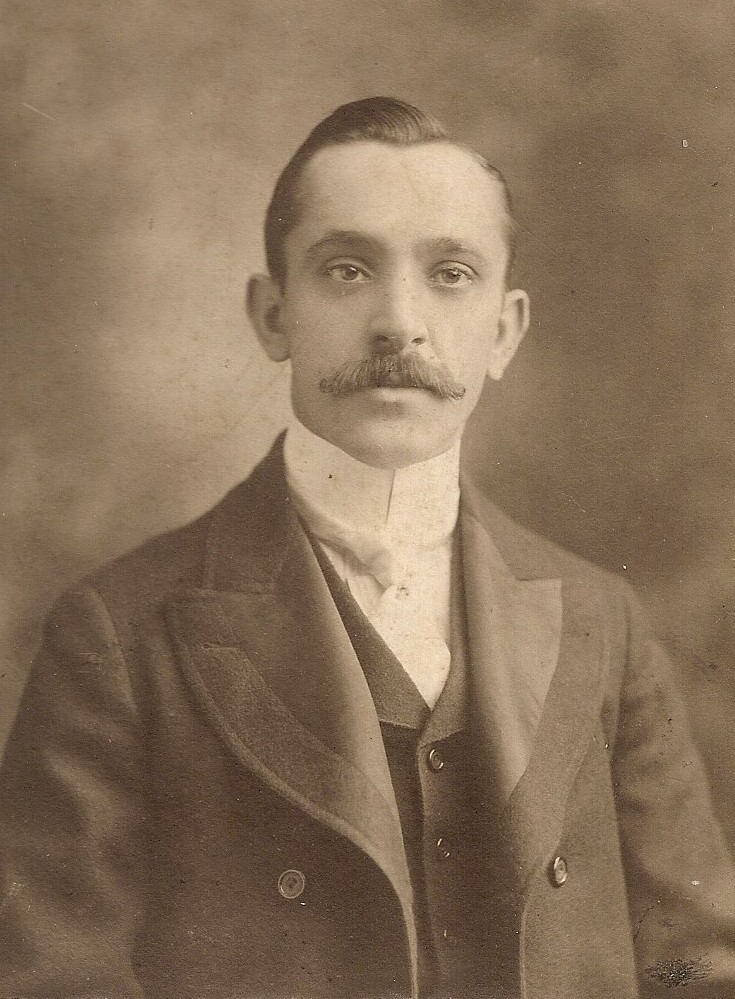
At 13 and orphaned, Gustav, stowed away
on a boat from Germany to the U.S.
He learned book-binding to support himself, and
later, his young wife, Clara, and two daughters.

Rosario carried his wife, Maria,
and their newborn son off an Italian farm.
They caught a ship destined for a better life,
prospered, and raised nine children in America.
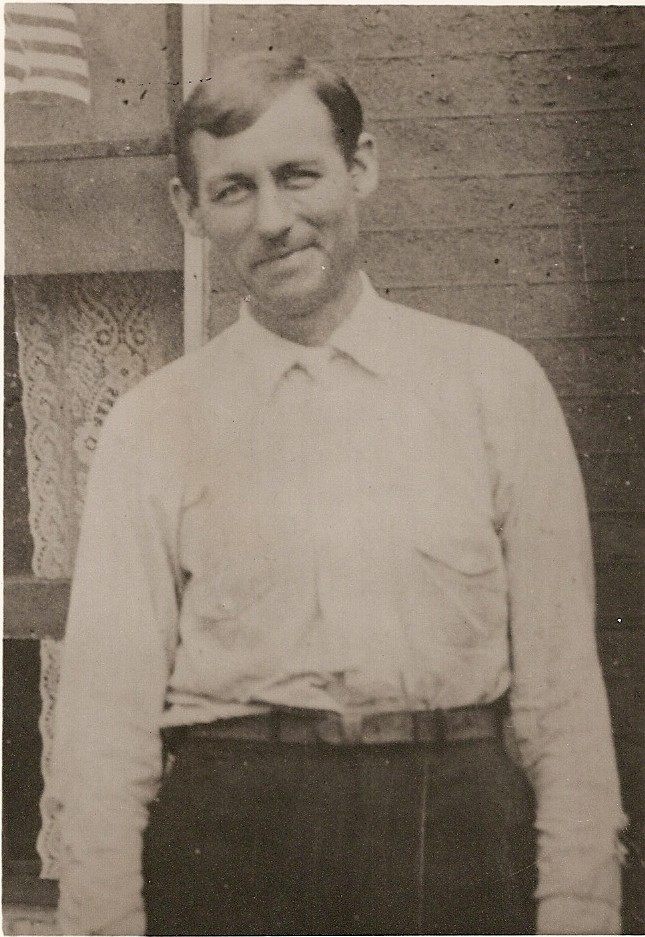
John left Ireland for gainful employment
only to be met with discrimination
“No Irish Wanted.” “No Irish Need Apply.”
He married his Lizzie and had ten children.

My great-grandparents needed more, hoped for more.
They sought solutions to the hardships they faced.
With their courage and endurance, they thrived
in this vast country of opportunity.
I look back and wonder how things would have been
if they remained in the countries of their births.
Would they have survived the adversity they faced?
How would life be now for their descendants?
*
Photo #1: Gustav and Clara are on the far right
Photo #2: Gustav as a young man
Photo #3: Maria and Rosario
Photo #4: John at 39 years of age
Photo #5: John’s wife, Elizabeth (4 from the left), and their 7 surviving adult children. Three children died at the age of 3 years old.
©Mary K. Doyle, 2025
 Midwest Mary
Leave a reply to Mary K. Doyle Cancel reply