
Recently, I was chatting with my blogger friend, Madelaine, on Escribir Y Sanar about holidays. I mentioned that every holiday is a food holiday. From New Year’s Day to New Year’s Eve, we celebrate with special candies, snacks, and traditional meals associated with that date.
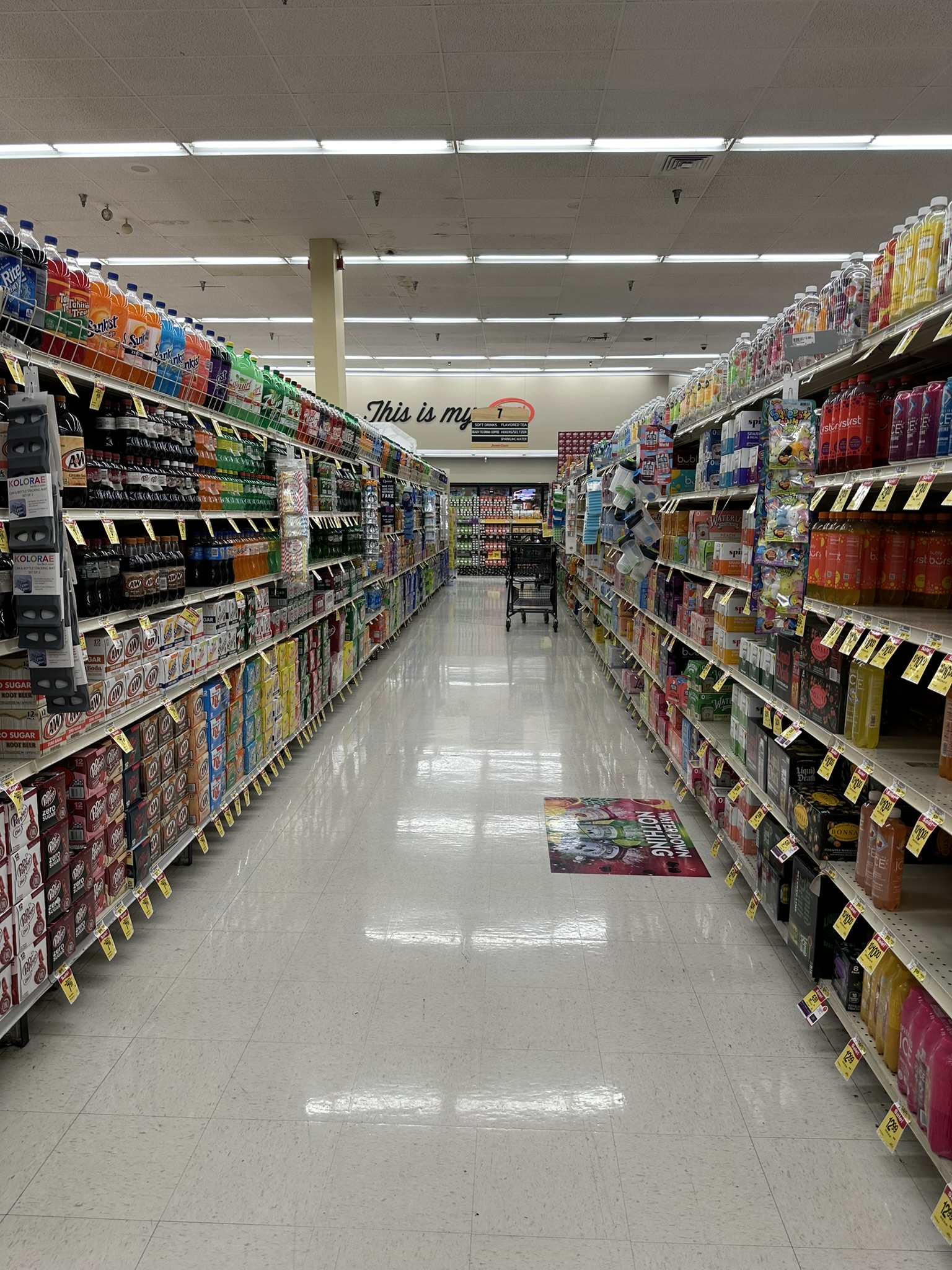
In America, food is available everywhere and on every occasion. Sporting events, entertainment centers, festivals, and fairs. Gas stations, gift shops, street vendors, department stores, and roadside stands. Of course, we also have food markets that range from quick markets and ma and pa shops to massive grocery stores.
Most people don’t go hungry here (although too many do). Grocery stores have fresh produce, meat and deli items; refrigerators are filled with dairy products; and there are long aisles of boxed cereals, instant meals, snack foods, candies, and beverages.

However, the quality of what we eat is questionable. In fact, it is believed that the additives in our foods contribute to the high rate of obesity in the U.S. as well as other health concerns.
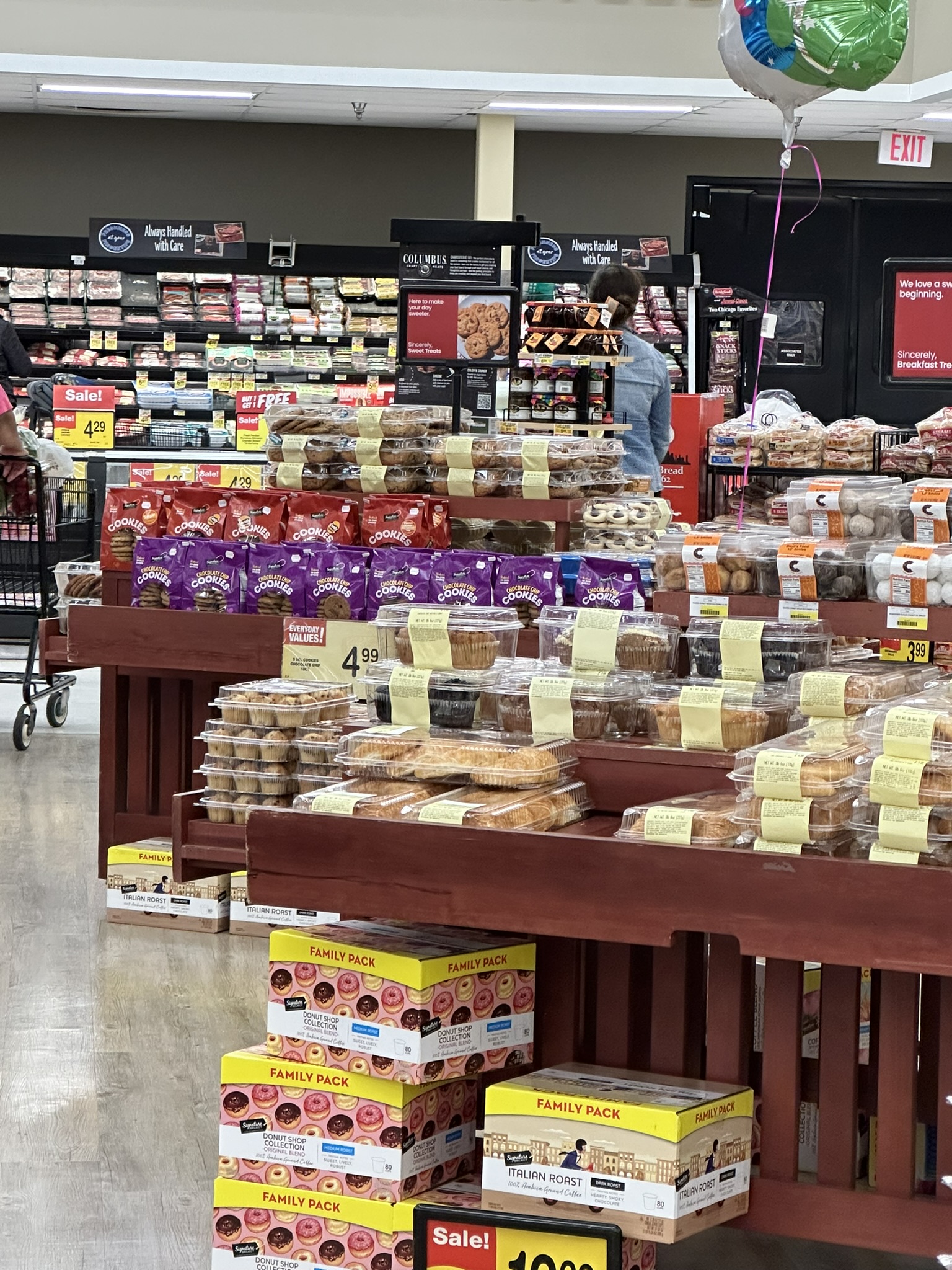
Most of our food is processed and contains long lists of ingredients including artificial flavorings and colorings, preservatives, and unhealthy fats and sugars. In addition, animals for meat and dairy often are confined, consume grains treated with chemicals, and given hormones.
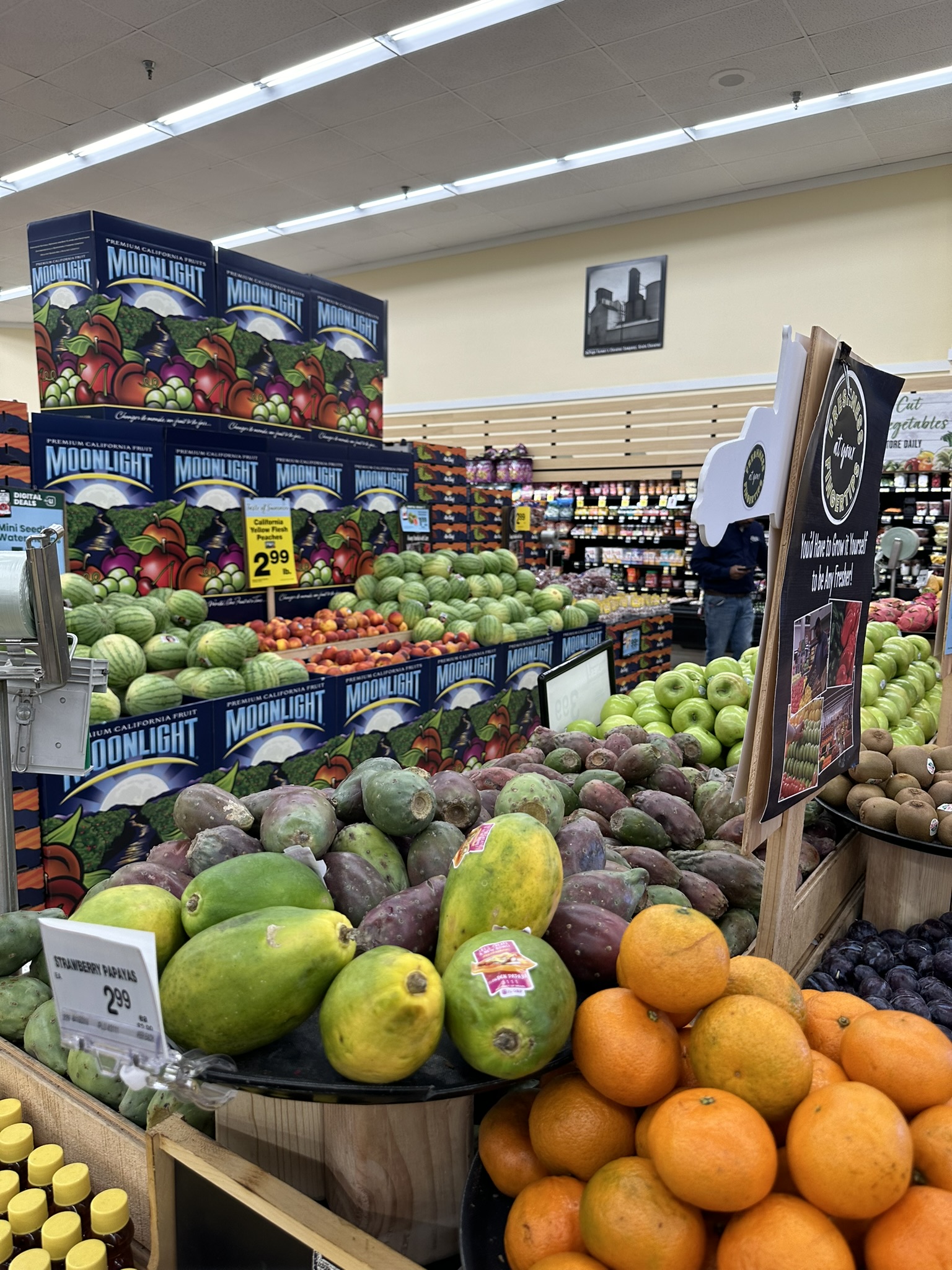
Perhaps most concerning, our fruits and vegetables are treated with pesticides and herbicides.
Bayer/Monsanto’s product, Roundup, contains glyphosate to control weeds. Nearly 300 million pounds of glyphosate is estimated to be applied to American farms, parks, and golf courses every year. It’s also the most widely used herbicide in the world.
The World Health Organization’s International Agency for Research on Cancer classified glyphosate as “probably carcinogenic to humans.” And in 2019, researchers at the University of Washington concluded that glyphosate increases the risk of non-Hodgkin lymphoma by 41 percent.
However, other organizations disagree.
- The U.S. Environmental Protection Agency (EPA) says there’s “no evidence that glyphosate causes cancer in humans.”
- Health Canada says the product does not cause damage to human DNA.
- The European Food Safety Authority “did not identify any critical areas of concern in its peer review of the risk assessment” of glyphosate.
- The Australian Pesticides and Veterinary Medicine Authority states that glyphosate products “are considered safe to use when the instructions on the label are followed.”
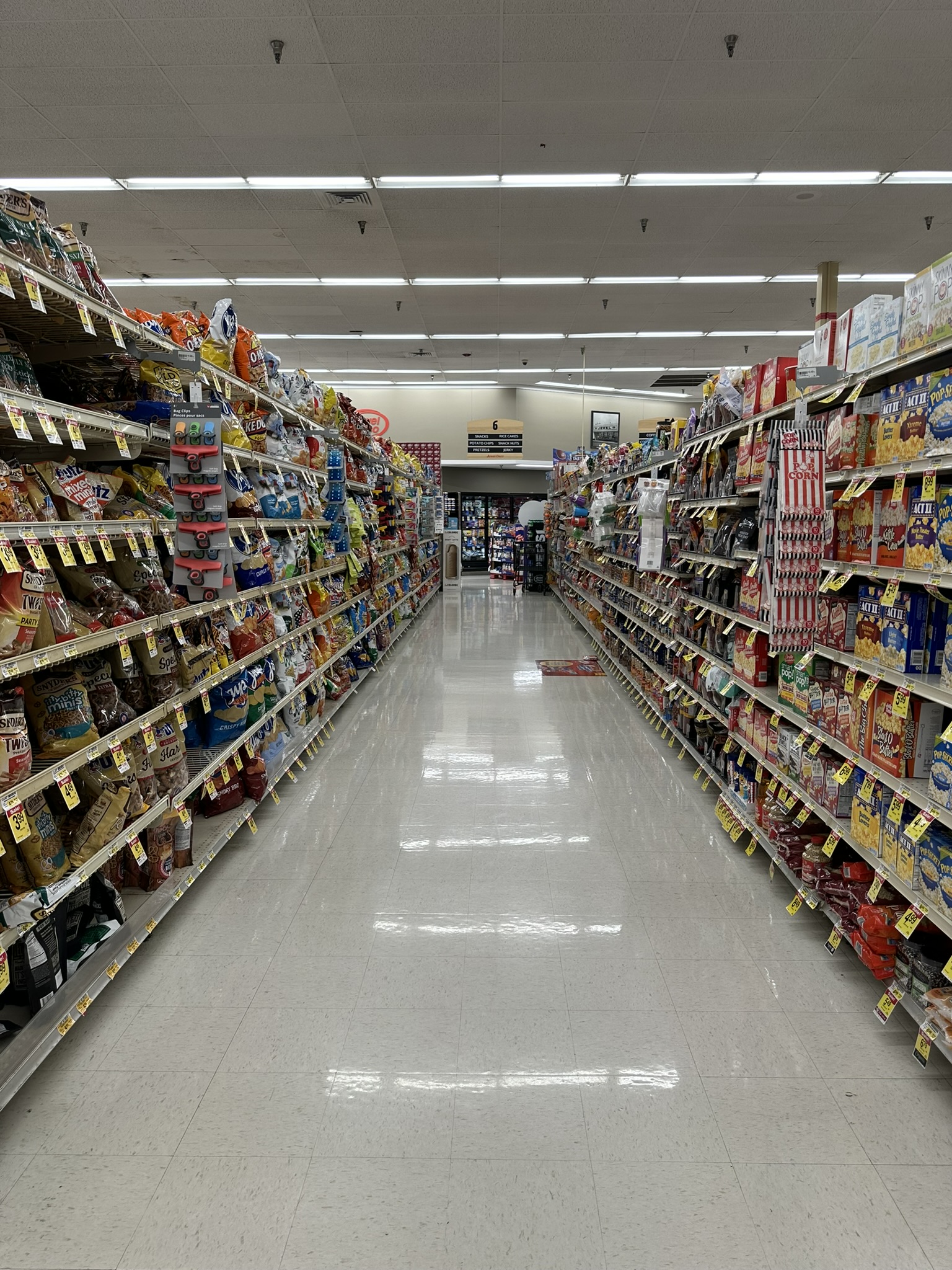
I believe the risk is real and want to avoid glyphosate and other additives in my food. Unfortunately, this is nearly impossible in most products. However, we do have some healthier options such as seeking organic items. These foods are produced without chemical fertilizers, pesticides, or other artificial agents.
Most stores offer limited amounts of organic products, free-range eggs, and organic, grass-fed meat. The obstacle here is that these products are higher priced and many families cannot afford them.
Families can also buy into organic co-op farms. Farmers run these farms for members rather than outside investors.
Members prescribe to the farms’ produce and animal products at the beginning of a growing season and accept the risks and benefits. If the season is successful, the high yield is passed on to the members. This means members may have more beets than they can use or no green beans if the crop fails.
Products can also be purchased from local farmers at farmers’ markets. At these temporary stalls, we find products grown locally, and sometimes, organically.
We can grow and raise some of our needs, as well. Even small indoor spaces can accommodate a few plants in a window or under a grow light. Seeds may be planted in soil-filled pots or water containers for hydroponics. Long green onions, cherry tomatoes, lettuce, and herbs are plants that do well indoors as well as outside.
If we have an outdoor garden, even more options are possible. In the Midwest, zucchini, beets, carrots, tomatoes, potatoes, and onions may be planted in large pots, or preferably, in the ground. Herbs also grow well in any of these locations.
Other home-grown produce results from fruit trees and bushes. Apple, pear, peach, and plum trees and strawberry, blackberry, and blueberry bushes require more land but can result in a large payoff for our investment of time and money, if we have the space and appropriate local weather.
For those who wish to expand their home garden space, many towns rent out public areas to residents interested in gardening there. It isn’t as convenient as gardening at home, but offers a good option for those seeking more space. Should the season produce an over-abundance of produce, we can swap, sell, or preserve the surplus for later use.
Additionally, we can raise chickens for eggs and meat. Not all towns allow this, but many do.
Maximizing whatever space we have for products allows us the control of at least some foods free of artificial ingredients, chemicals, and toxins. Our organic and other clean products can then be prepared in our own foods rather than pricey packaged ones. After all, the healthiest and cleanest products are those we carefully prepare ourselves.
©Mary K. Doyle, 2025
 Midwest Mary
Talk to me. I’m curious about your thoughts and comments.