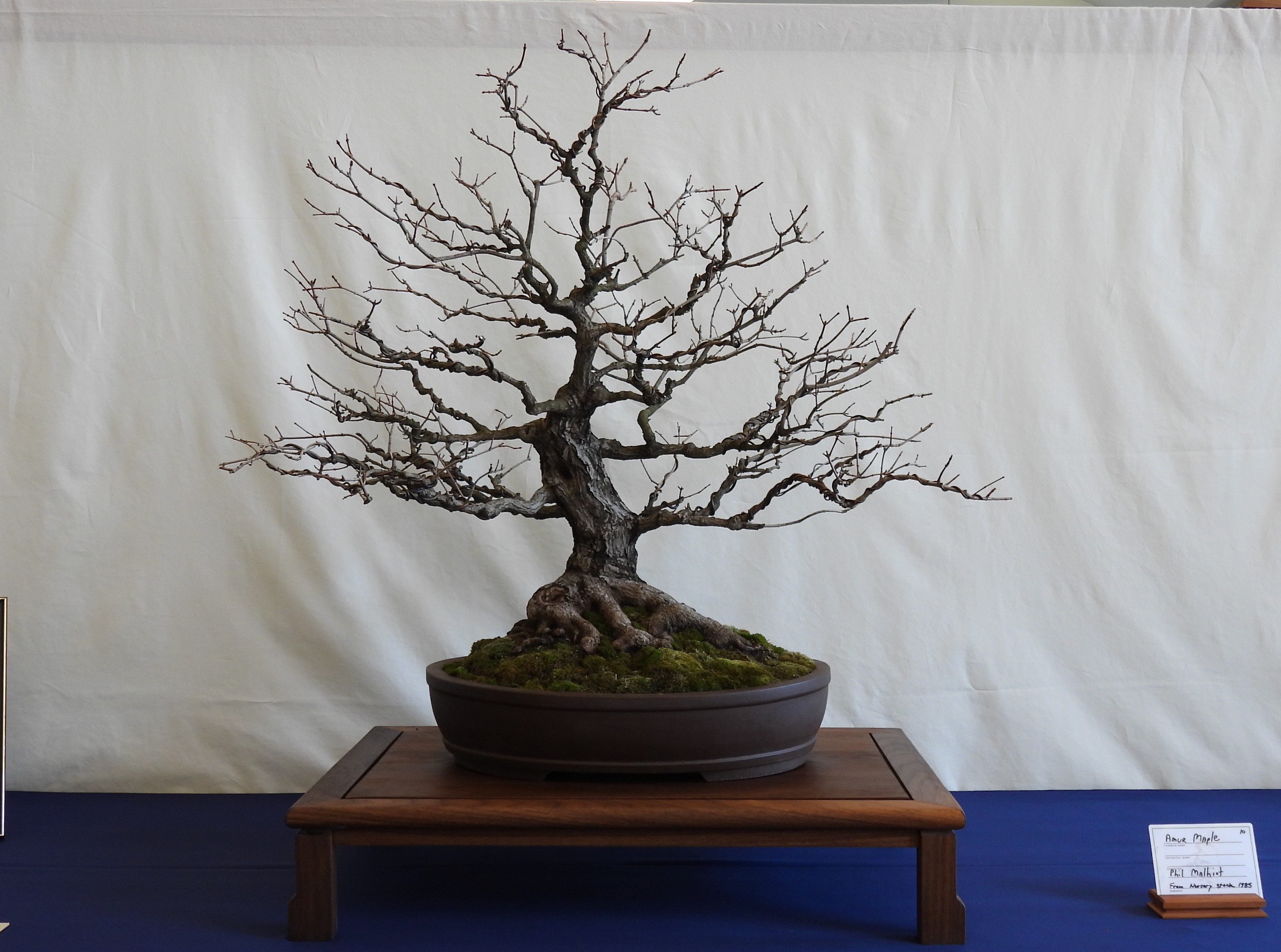
Have you ever thought there was something you’d like to do, if you had the time, only to discover much later that you absolutely do not want to do that? I recently had such an experience as this, and I can tell you for certain that raising and designing a bonsai tree is no longer on my bucket list. The wee tree requires more attention than I want to invest.
I’ve always admired the poetic beauty of bonsai plants. Whether young or quite old, these miniature trees grow into dramatic patterns. Their branches appear to dance freestyle in their own little landscape. They create a tiny world we can imagine ourselves in, resting comfortably under the great tree.
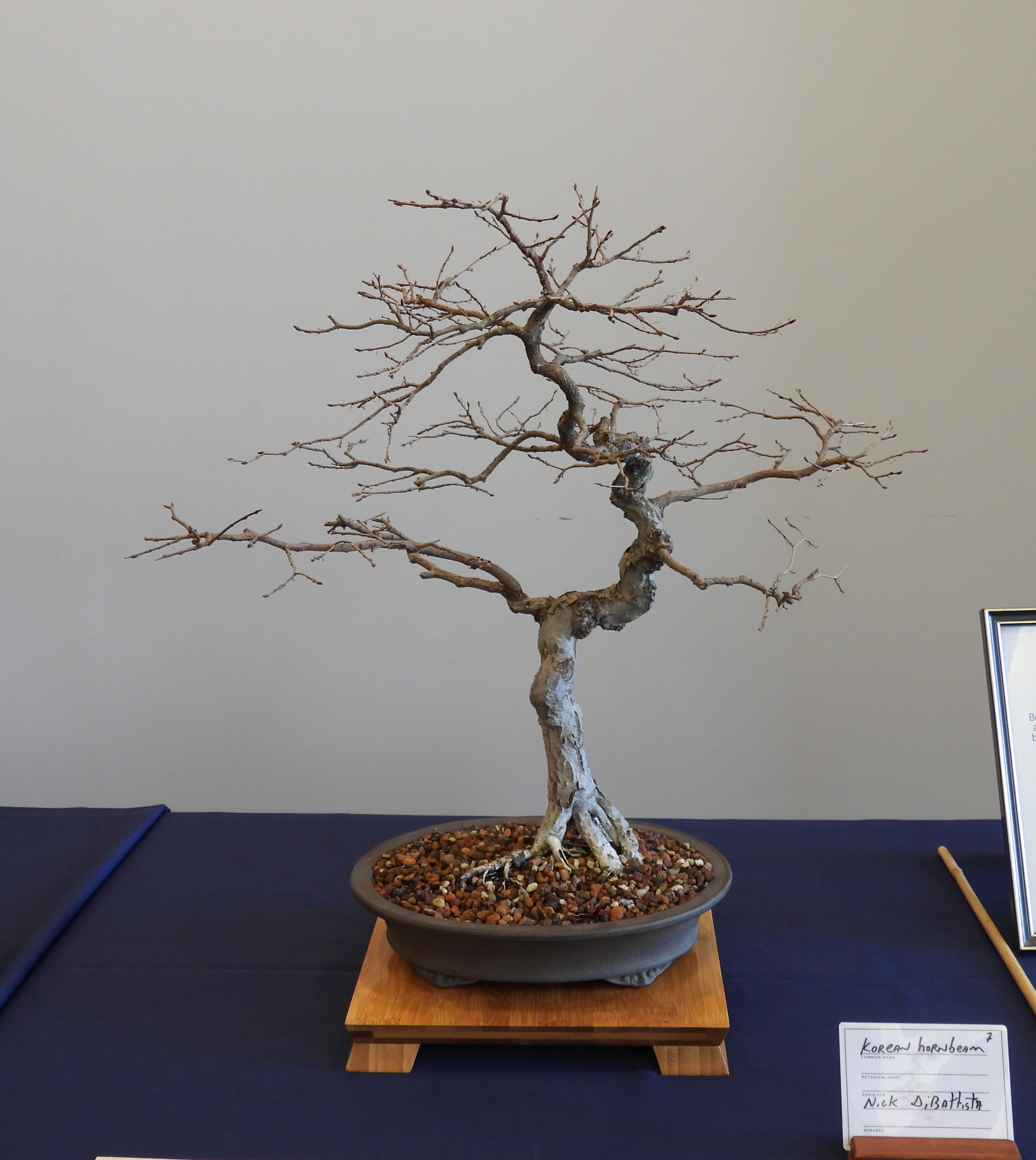
I recently attended a bonsai show hosted by enthusiasts. Members’ bonsai trees were displayed, and young bonsais and necessary products were for sale. Bonsai hobbyists were on hand to answer questions. From these knowledgeable people, I learned of the devotion required to cultivate and design bonsai.
Bonsai are tediously and tenderly trained and cared for every day from seedling to death, which can be more than 100 years. The designer forces the tree to grow in a particular way by planting it in a small pot that restricts roots from expanding normally and pruning and wiring branches.
According to Bonsai Empire, a worldwide community of enthusiasts and experts, the most cost-effective and rewarding way to grow a bonsai tree is to start one from seed and allow the tree to grow without pruning for its first three to five years. To get a head start on a tree, established ones also can be purchased.
Bonsai are planted in small pots with specific soil. The soil mixture dries quickly, so it must be thoroughly watered daily, but not overwatered. It then should be repotted approximately every two years. In addition, the trees require plenty of light, relative humidity, and regular fertilization.
Bonsai are diligently pruned and then shaped by wrapping anodized aluminum or annealed copper around branches to encourage growth in desired directions. The wire must be monitored and removed before it digs into the branches as the branches grow.
I realize that, although I care for plants in and outside my home, bonsais need more attention than I want to invest. I also am not comfortable with restricting and directing growth with wire, which I’m sure is somewhat irrational on my part. I’m still interested in seeing these plants, but don’t want to own one, unless it is artificial.
However, if you are interested, there are online courses and clubs for enthusiasts to share ideas and receive guidance. Check Bonsai Empire for more information.
**Have you seen my recent YouTube interview? I come on at about the three minute mark.
©2024, Mary K. Doyle
 Midwest Mary
I’m curious about your thoughts and comments.