If you remember the fears and frustrations at the onset of COVID-19, imagine how intense it must have been during the height of leprosy. Until less than a century ago, infants to the elderly suspected of having leprosy were shamed, feared, and isolated. Victims of leprosy, as well as psoriasis or anything else resembling the dreaded disease, were dragged from the arms of their loved ones and shipped off to secluded areas never to be seen again.
Symptoms of leprosy include muscle weakness, numbness in the hands, arms, feet, and legs, and skin lesions. Left untreated, severe facial disfiguration and overall disability, as well as permanent organ damage, results.
Researchers believe humanity has contracted the disease as far back as the last Neanderthals and the first homo sapiens. A 4,000-year-old skeleton was uncovered in India that showed traces of leprosy. As people migrated and invaded other countries and continents they carried the disease with them and infected others along the way.
We also know of its existence through Biblical references, which are said to be responsible for some of the stigma that surrounded it for centuries. Hebrew Scriptures defined the disease as a punishment from God, and if anyone came in contact with a leper, they too would be condemned to live an impure life. We learn in Christian Scriptures that Jesus later reached out to those sick in body and mind, including a leper, curing and blessing them.
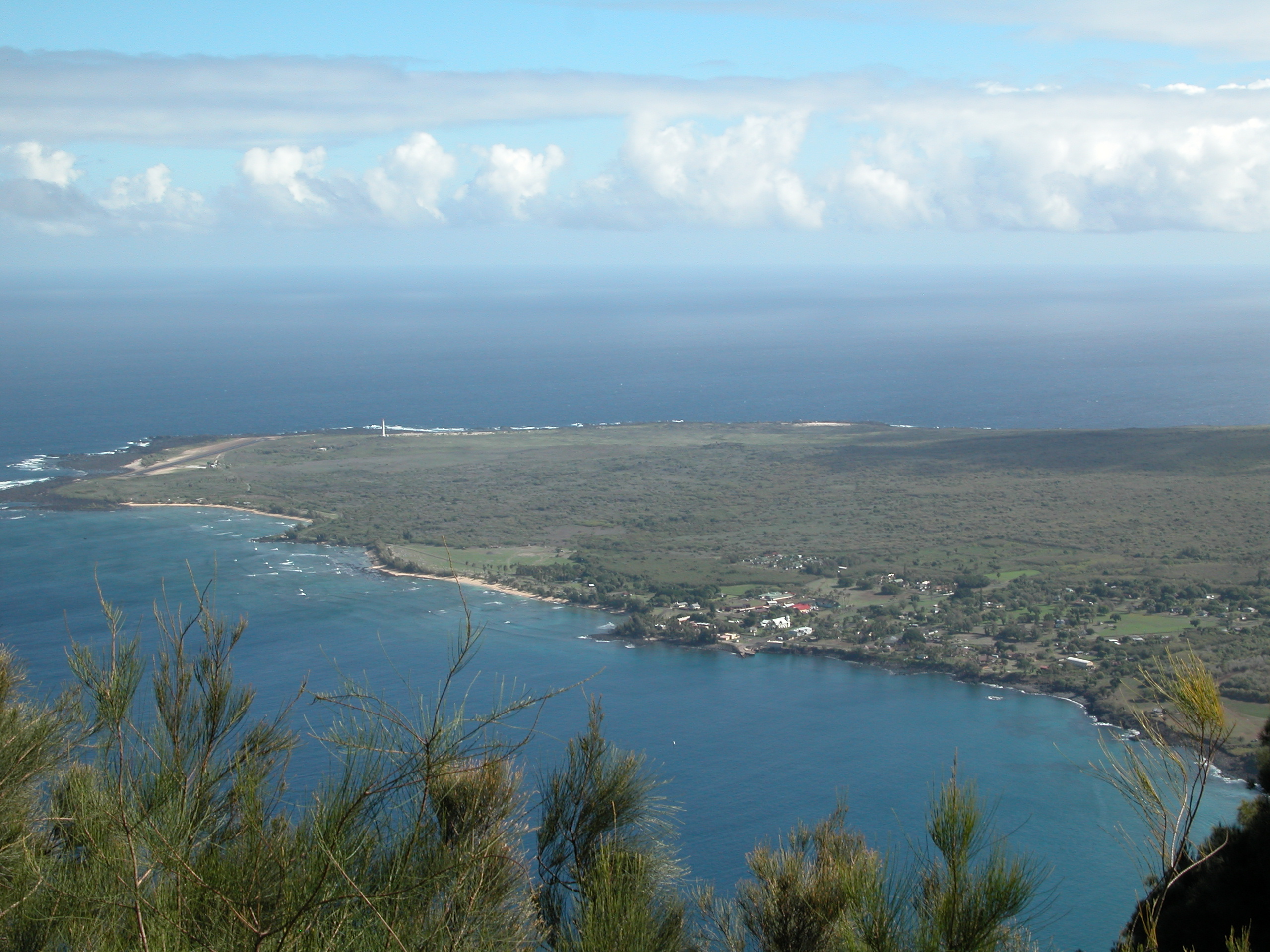
I was humbled to visit the island of Molokai in 2008. This island was used as an isolation center for more than 8,000 Hawaiians with leprosy from 1866 to 1960.

Lepers were sent there to fend for themselves without any shelter or assistance until 1873 when a Belgian priest, Father Damien De Veuster, volunteered to minister to them and assist with building a full community.
In 1883 a group of Sisters of St. Francis, led by German American Mother Marianne Cope, arrived in Hawaii to continue the building and offer healthcare to residents, as well as Father Damien.
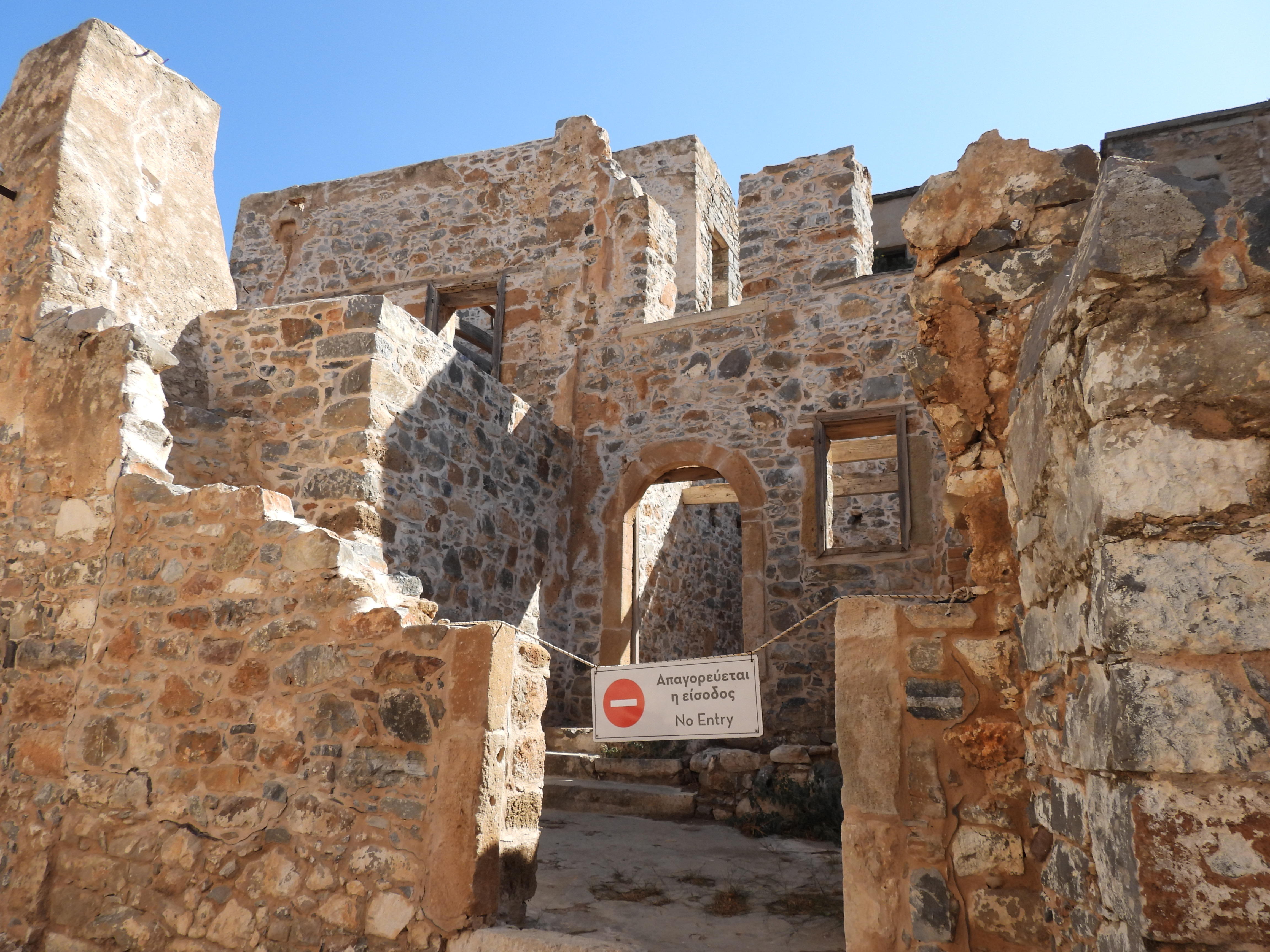
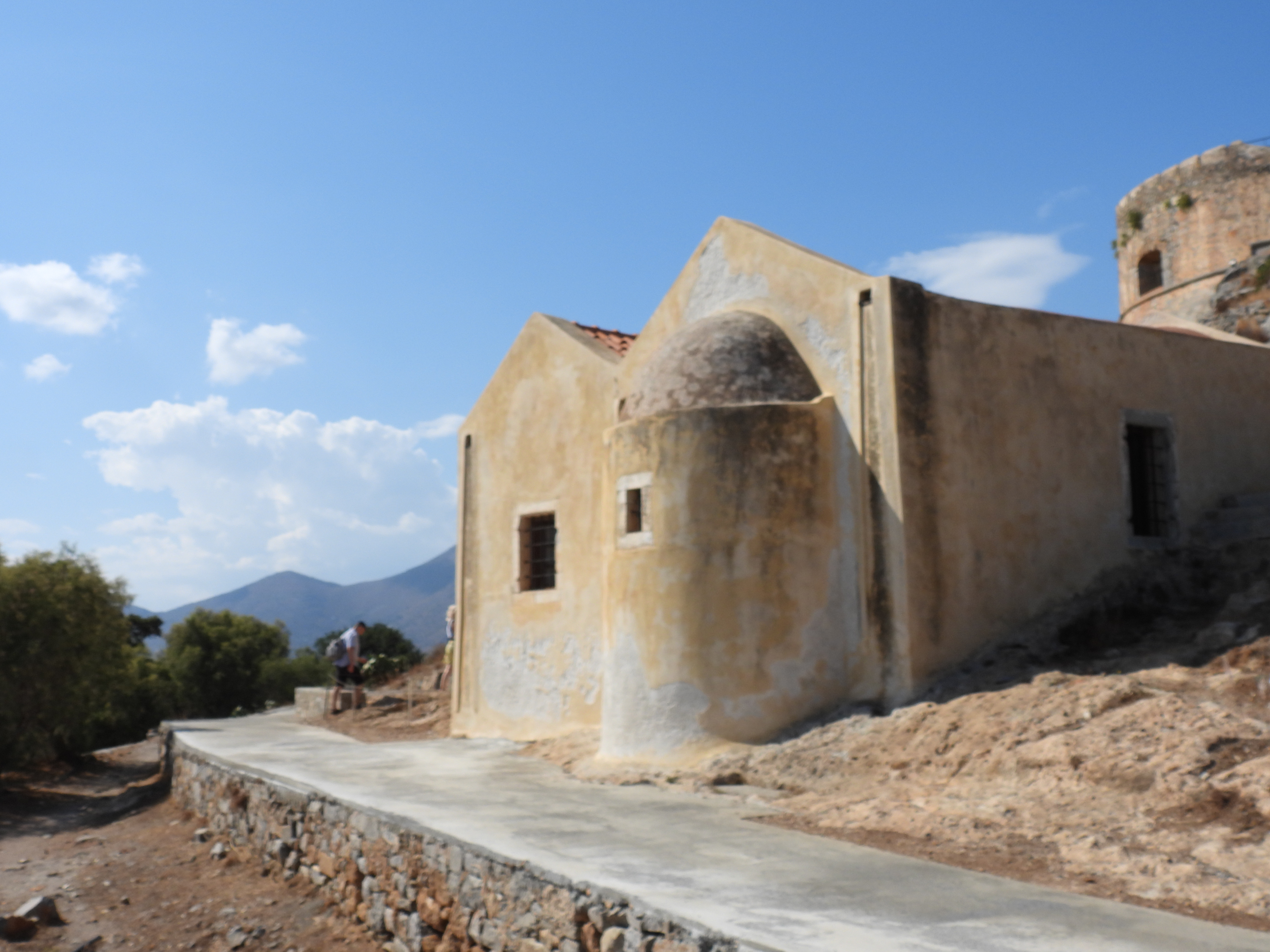
This past summer while in Greece, I toured the island of Spinalonga. From 1903 to 1957 this island also served as a leper community.

Interestingly, the island was created by the Venetians who destroyed part of the peninsula of Elounda as a safeguard against pirates and fortified Spinalonga in the late 16th century.
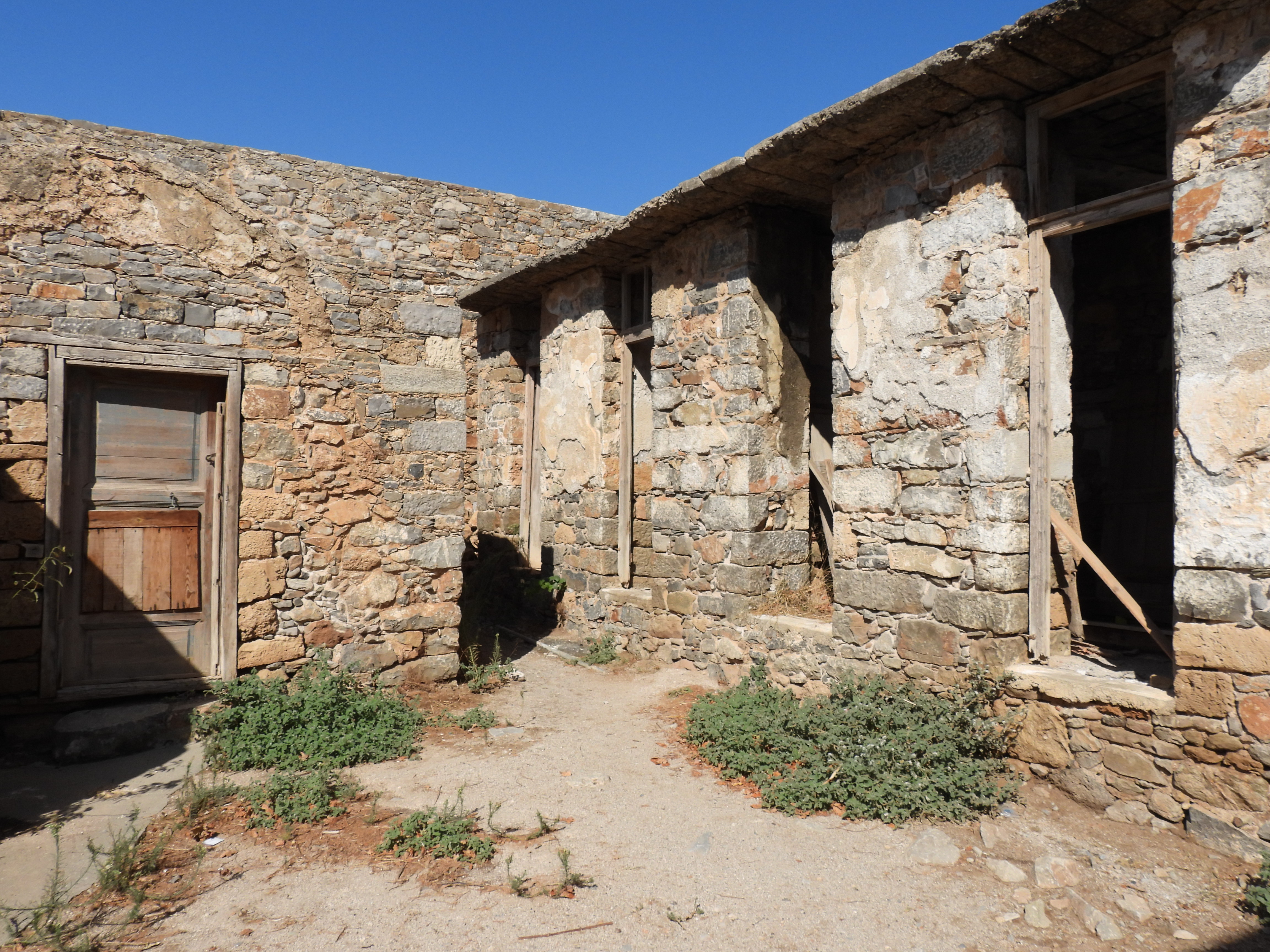
The buildings built by the Venetians offered shelter for the approximately 400 inhabitants with leprosy. Known as the island of the living dead, Spinalonga was one of the last active leper colonies in Europe.
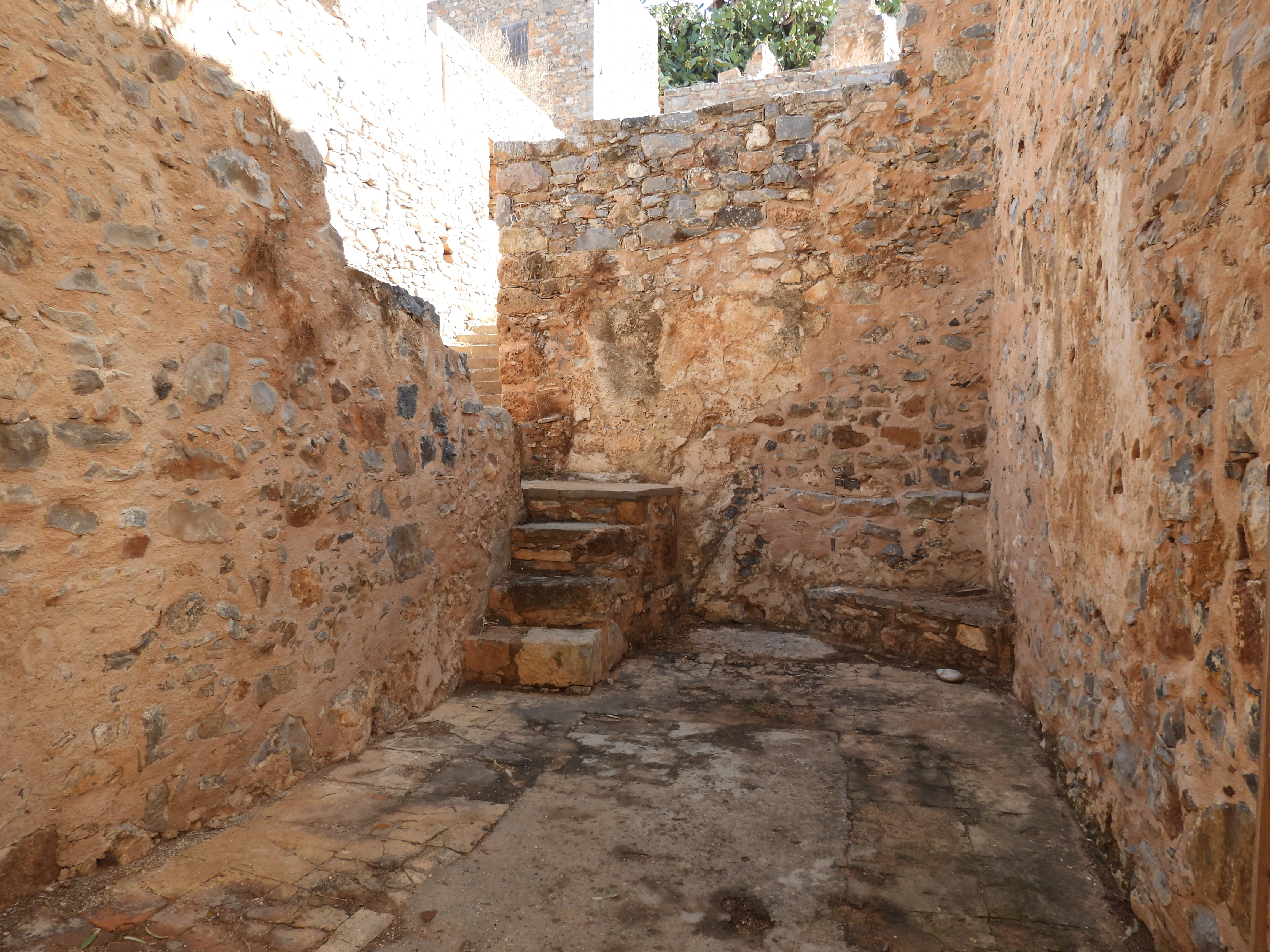
For decades, it had no running water or electricity and few resources. In 1936, 21-year-old Epaminondas Remountakis, a student at Athens’ Law School, was sent there and founded the Brotherhood of the Sick of Spinalonga.

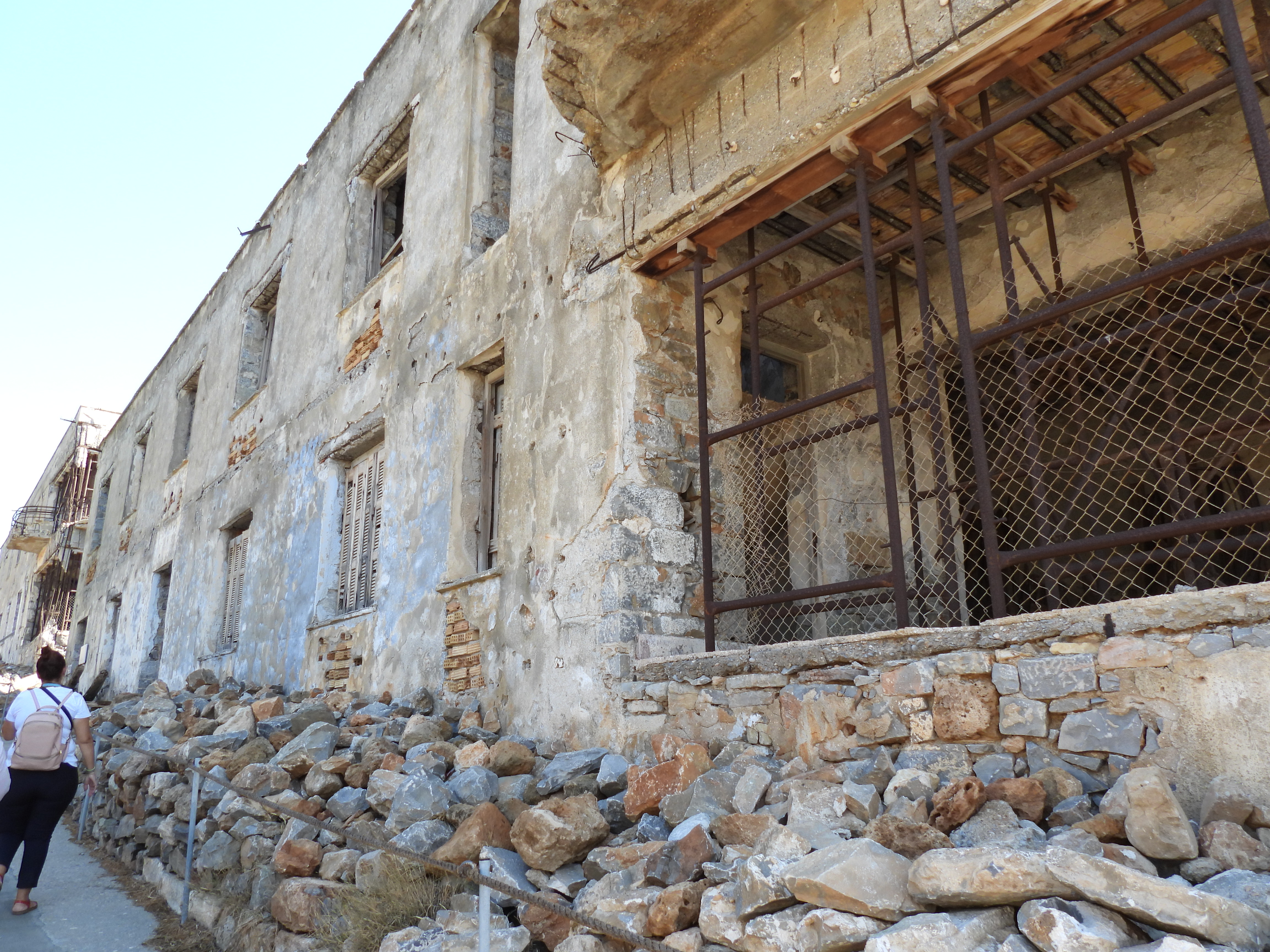
The young man led the residents in whitewashing houses, building roads, and acquiring a power generator which enabled the installation of street lights, a movie theater, and classical music to be played from loudspeakers.

A school, coffee shop, barbershop, and churches were soon added.

Greek Orthodox priest Chrysanthos Katsoulogiannakis arrived to offer spiritual services.

By the time the last person left in 1962, the island was a thriving community. Residents formed friendships and loving relationships, married, had children, and lived full lives in spite of the disease.

Dr. Gerhard Armauer Hansen discovered the microorganism responsible for the illness in 1874, which is why leprosy is often referred to as Hansen’s disease. Dr. Hansen proved the disease is not hereditary as previously thought. It is spread from human-to-human contact via droplets and affects the skin, peripheral nerves, mucosa of the upper respiratory tract, and eyes. It wasn’t until 1948 that the first drug for leprosy became available.
Leprosy now is considered curable and difficult to contract. The majority of the human population is believed to have a natural immunity to it.
At this time, according to the World Health Organization, approximately 208,000 people have leprosy across the globe. Most of these cases are found in Asia and Africa. India continues to maintain hundreds of leper colonies.
The disease is said to have appeared in the United States as a result of immigration from Turkey, Russia, the Middle East, and Asia in addition to armadillos. The only institution in the continental United States exclusively devoted to leprosy consulting, research, and training was in Carville, Louisiana. The facility was open from 1894 to the turn of the 21st century.

*Photos by Mary K. Doyle
*Resources for this post include Greeking Me Blog and National Library of Medicine.
**See my past posts on Greece including “Minoan Palace of Knossos,” “The Ancient City of Athens,” “Theater of Dionysius,” “The Athenian Acropolis,” “Temples of Athena and Poseidon,” “Athens Central Market,” and “Grecian Get-Away.”

Taking a few moments to pause is essential for our health and stamina, especially if we are busy caring for our loved ones. Following is a short excerpt from my book, Inspired Caregiving. Weekly Morale Builders. This book is divided into 52 weekly topics with a prayer, thought, affirmation, stretch, activity, quote, and smile for each topic.
The excerpt is taken from the topic “Pause” under the category “Thought.”
*
“Acting and reacting, we caregivers run through the day from one activity to another. Remember that you are not being timed. Pausing for an extra breath, a short prayer, or a sip of water is often beneficial towards achieving a better response to a situation.”
*Photo by Mary K. Doyle
*Inspired Caregiving is available from the publisher, ACTA Publications, Amazon, and my website.
***Photo: Big Island of Hawaii
©2024, Mary K. Doyle
 Midwest Mary
Talk to me. I’m curious about your thoughts and comments.