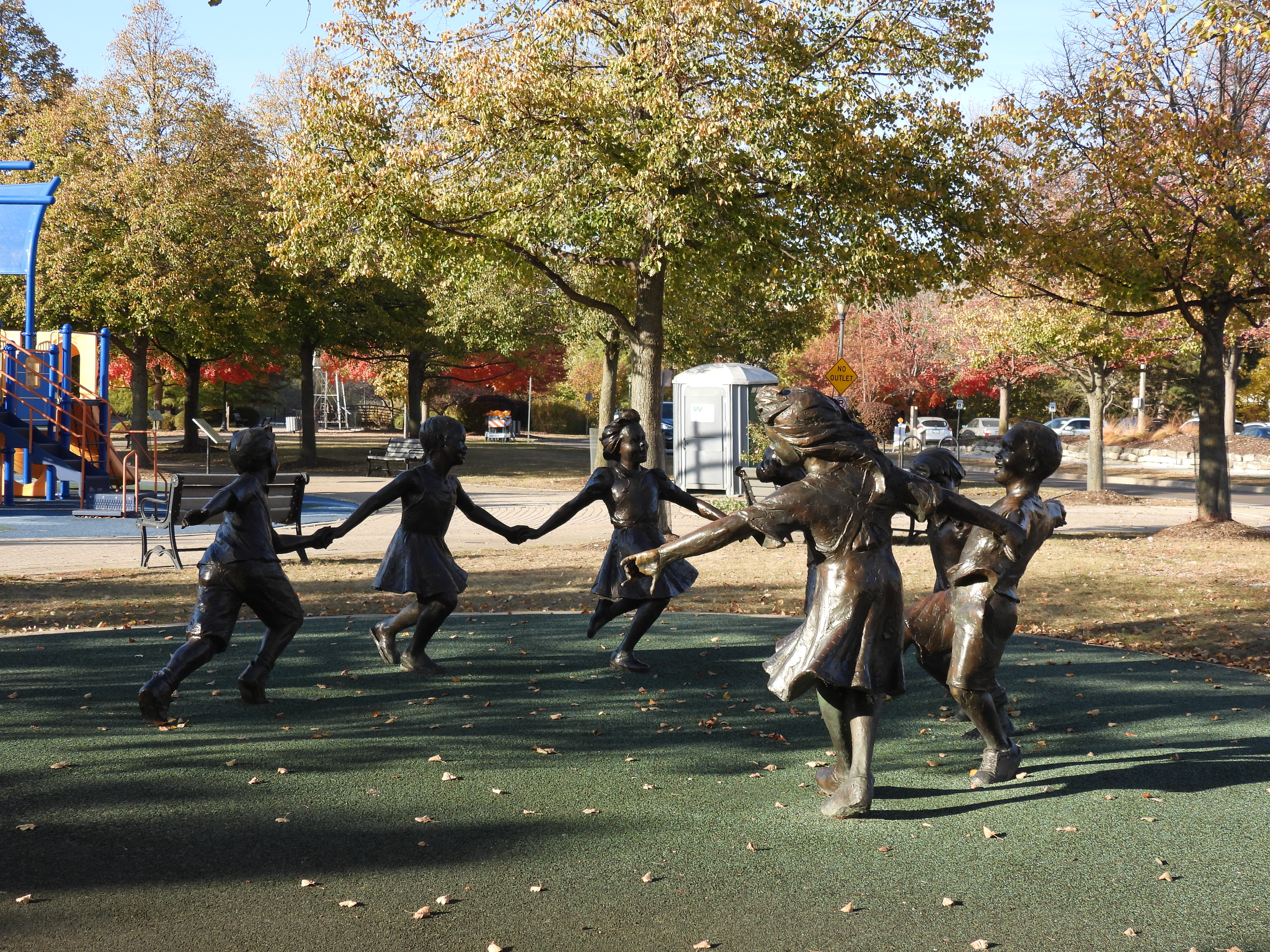
Approximately 35 miles from Chicago, along the Fox River, sits the sweet little town of Batavia, Illinois. With a population of nearly 27,000, it is the oldest community in Kane, County.
Batavia is known today for its major employers—Fermilab, America’s particle physics and accelerator laboratory; the U.S. headquarters for the Aldi grocery chain; and Suncast, a company specializing in home and garden supplies and outdoor storage units; as well as its history as the leading windmill manufacturer in the world.
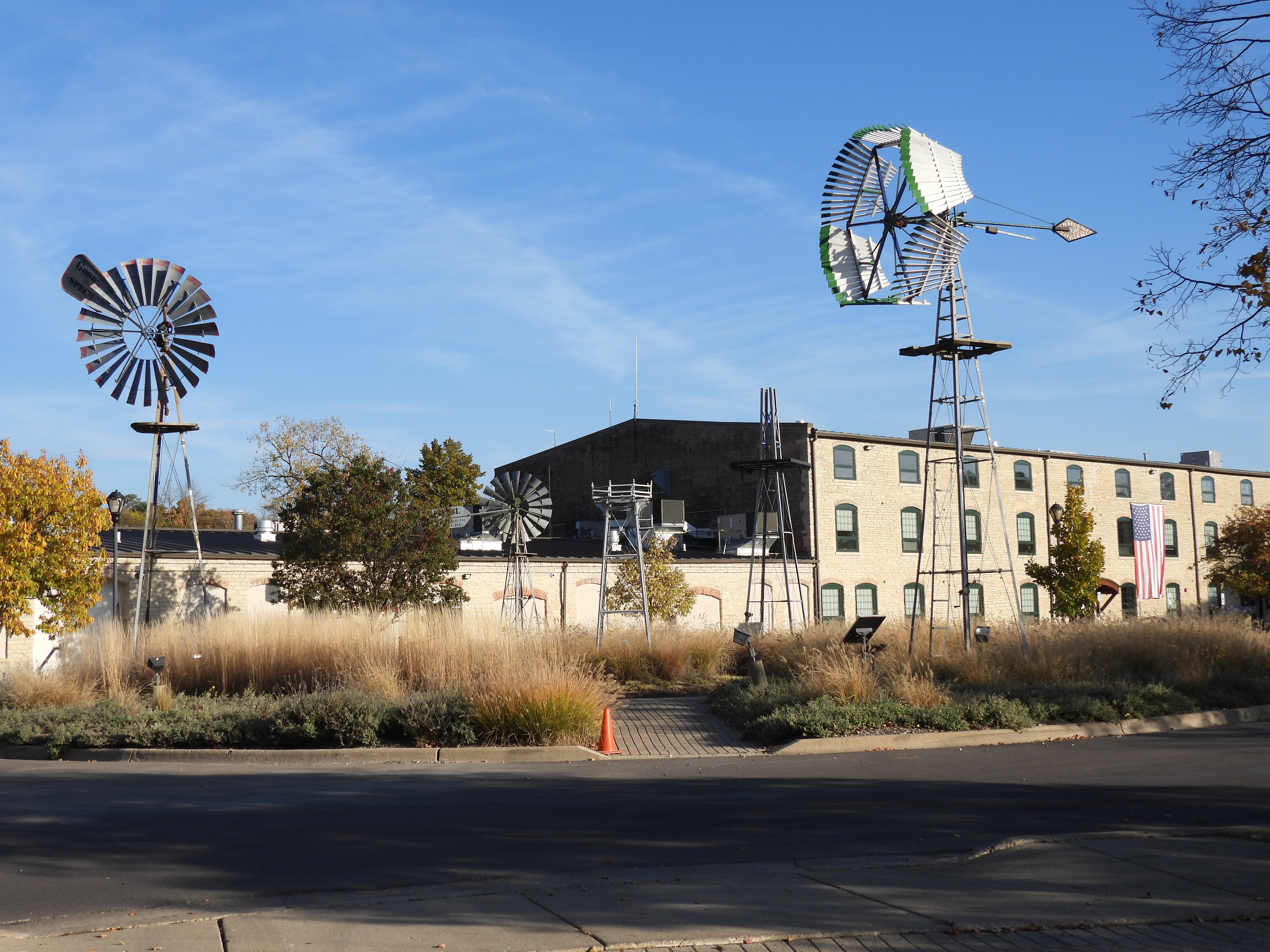
In 1854, a Connecticut inventor named David Halladay developed a windmill which automatically adjusted its blades to the wind for a constant speed. This was a gamechanger for windmill reliability and usage.
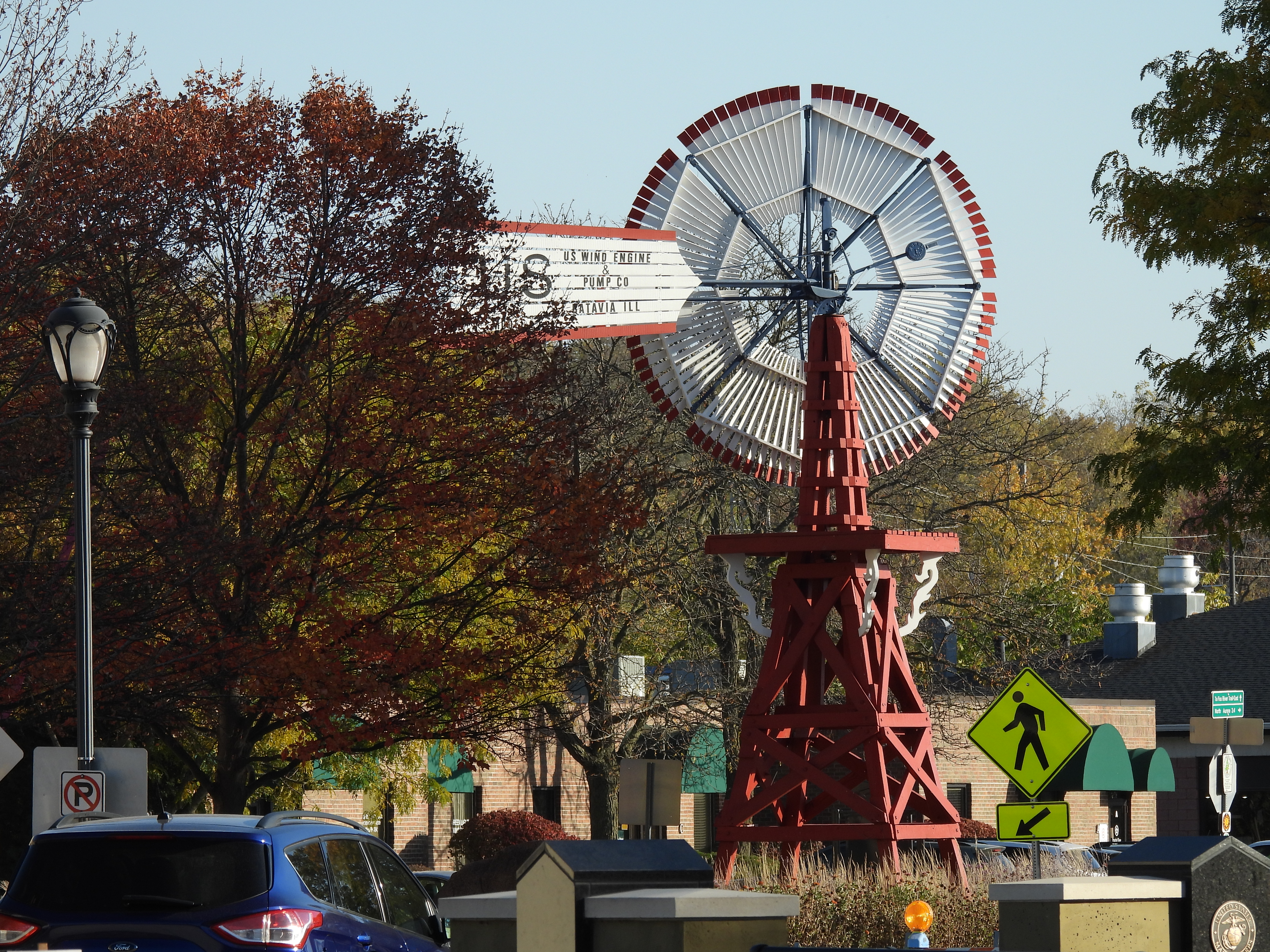
In 1863, Halladay moved his US Wind Engine and Pump Company to Batavia, Illinois. The Fox River supplied waterpower, and there was an abundance of limestone and railroads. The move also offered access to Midwest farmers and ranchers in need of harnessing wind power and water for irrigation and livestock.
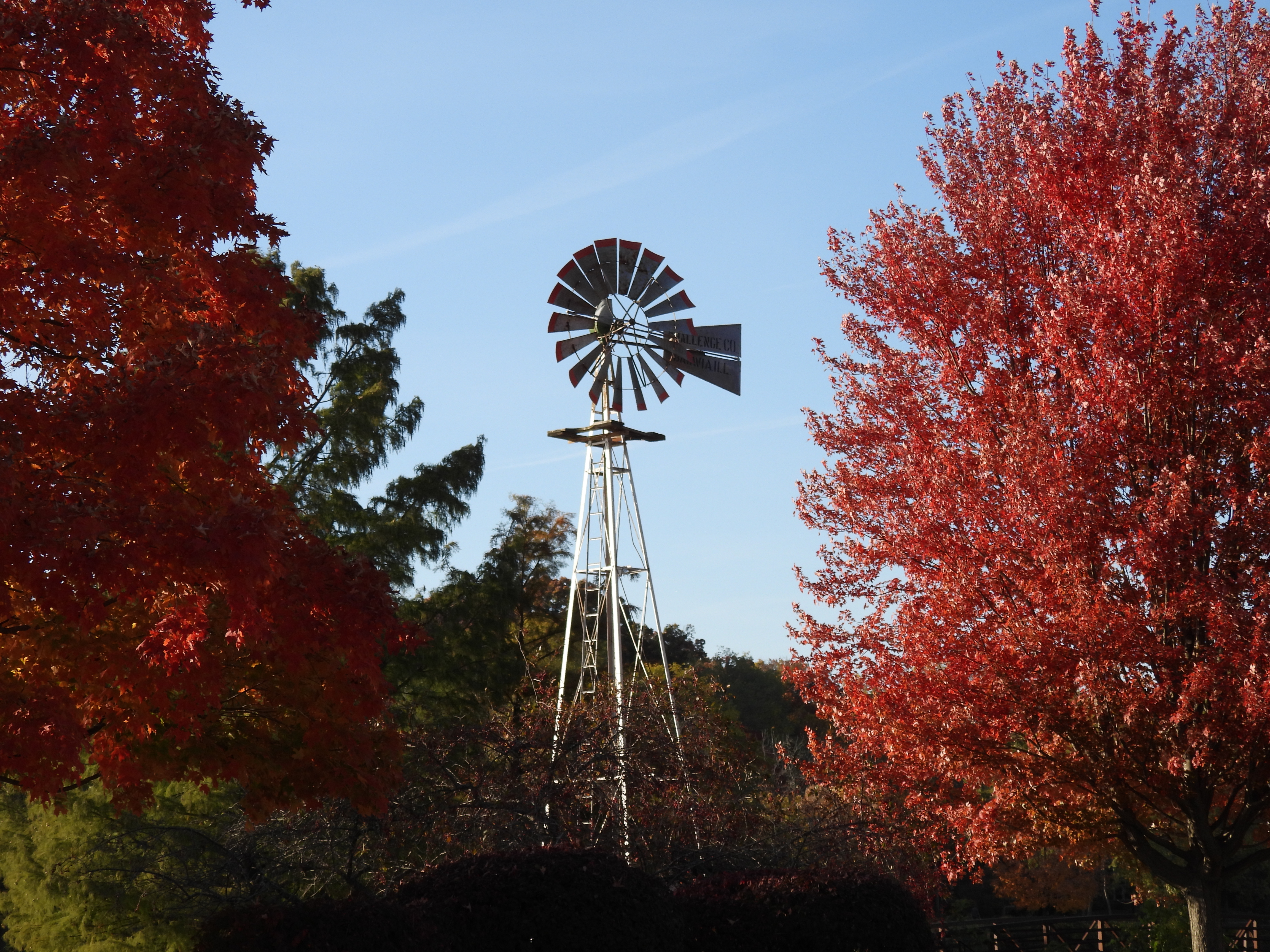
Other major companies soon followed, including Challenge Company, Appleton Manufacturing, Batavia Windmill Company, Snow Manufacturing, and Danforth Windmill. By 1890, Batavia, Illinois, was recognized as the global leader of windmills.
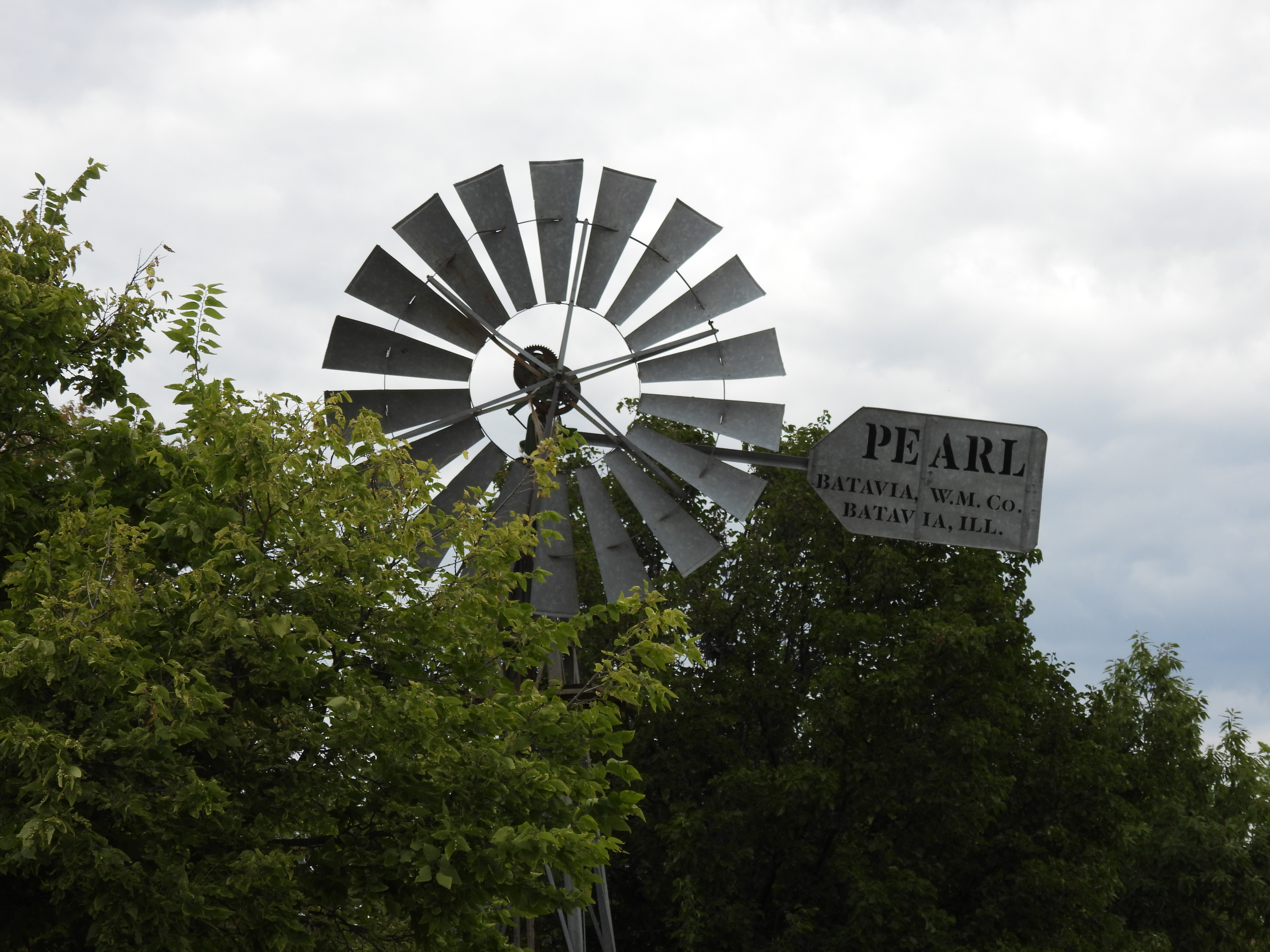
With the rise of electric powered water pumps after World War I, windmill demand from the Batavia manufacturers declined. By 1951, all of the manufacturers closed their doors.
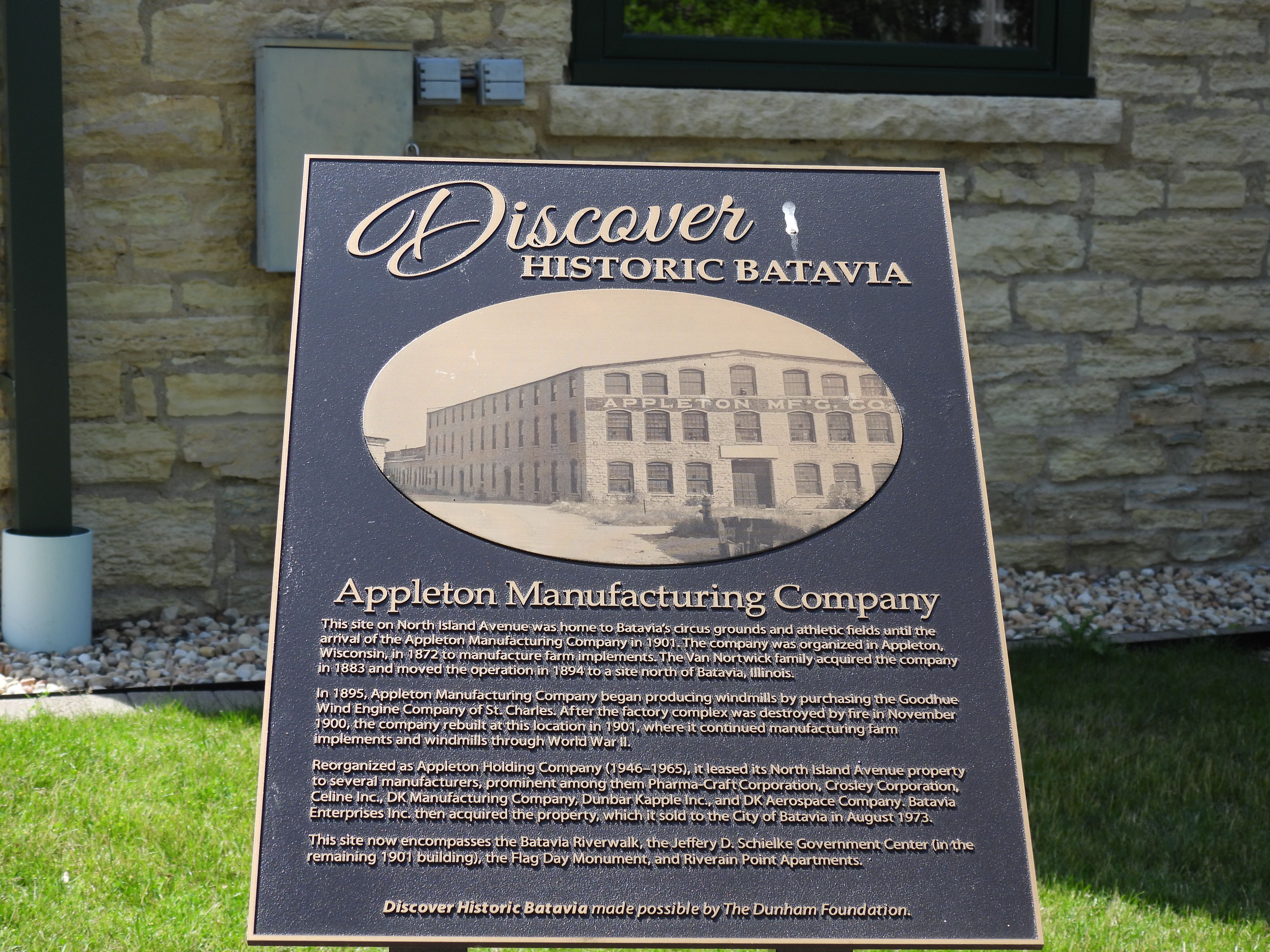
Today, along its riverwalk and around the city, we can find several original, renovated windmills that were built in Batavia. Accompanying plaques offer a bit of history about these models.
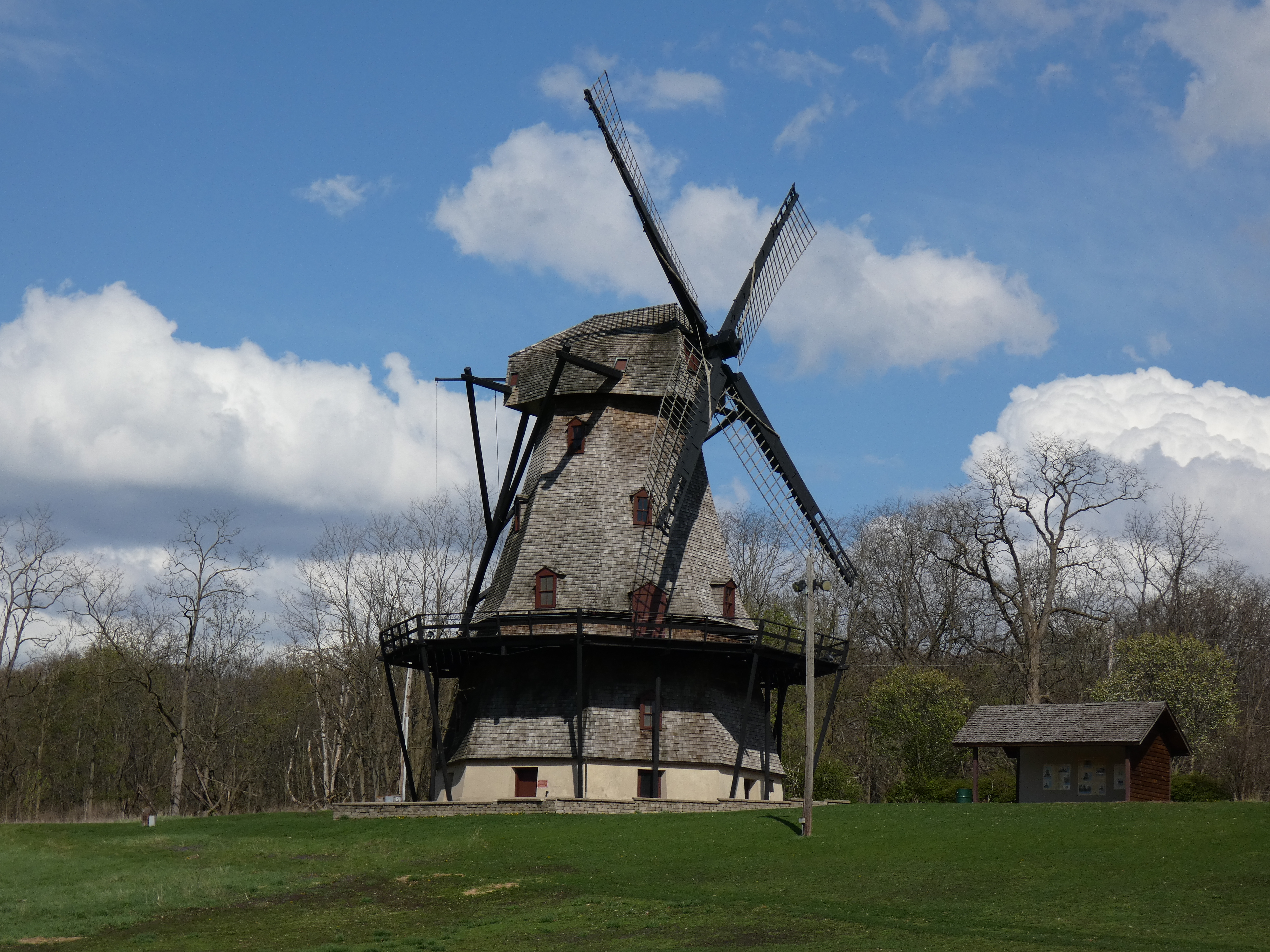
A wooden windmill can also be found nearby off of South Batavia Ave in Geneva, Illinois. The 68-foot, 5-story structure was built by Louis Blackhaus between 1850 and 1860. It originally stood on a site in what is now Lombard, Illinois.
In 1914, the windmill was purchased by George Fabyan for his massive, eclectic 325-acre estate. This windmill is said to be the best example of an authentic Dutch windmill in the country. (Private tours are available by appointment, 630-232-5980.)
The history of windmills is extensive, dating back to antiquity. Initial development wasn’t utilized for more than 1,500 years until the “technology” was incorporated into the musical instrument, the organ, and a small version of prayer wheels for Tibet and China.
Windmills, as we know them today, became popular in the Middle East and Western Asia around the 8th and 9th centuries. Later, American colonists erected thousands of windmills to grind grain, pump water, and cut wood at sawmills. As stated previously, popularity continued until the invention of steam and electrical machinery.
Yet, a version of these tools to convert wind energy into useful power continues with electric turbines and windpump windmills. Currently, most wind turbines are manufactured in China. China is also the number one country in the world using wind energy. Texas has the most wind turbines in the U.S., however, the largest wind farm in our country is in New Mexico.
Arguments against wind energy include the 1 to 1.5 acre of land needed for each commercial wind turbine in addition to access roads and equipment; intermittent production due to differing wind forces; noise; aesthetics; and effect on wildlife. However, the latter issue does not compare to the number of birds killed by house cats and buildings in the birds’ flight patterns in addition to the fossil fuel operations’ impact on natural lands.
For more information on windmills, see Climate Portal, US Energy Information Administration, Connecticut History.Org, and the Batavia Historical Society.
©Mary K. Doyle, 2026


Talk to me. I’m curious about your thoughts and comments.